Moon
Gameplay Overview
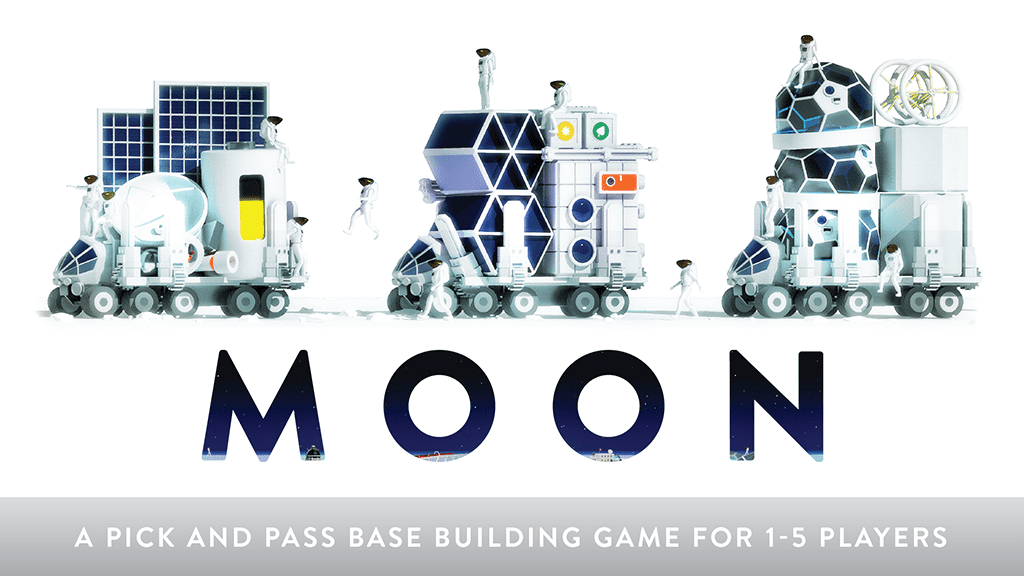
Moon is a lunar base-building game built around a pick-and-pass hand of cards. It's the designer's third and heaviest entry in a loose trilogy that started with Villagers and Streets.
Each round you're handed a set of cards, you pick one to build into your outpost, and then you pass the rest along to your opponent. Every card falls into one of four types: blue cards generate resources, yellow cards plant flags, pink cards give you an ability you can tap once per round, and gray cards score points at the end of the game.
Building anything costs resources and often needs flags you've already planted, so you're constantly working backward from the base you actually want to build. Your production and flag cards only pay out once per round though, not on demand the way a typical engine builder works, so timing when you cash in matters as much as what you're building.
Everyone starts with two rover tokens, and if you're ever short on a resource or a flag, you can park a rover on someone else's base and borrow what you need for the turn. That rover then belongs to them for good, so raiding a neighbor's outpost means handing them a small permanent gift in return. The game plays out across three eras, with flag majorities and leftover rovers both feeding into scoring along the way. We've only played it at two so far, where the pick-and-pass carries a little less unpredictability, and we're curious to see how it opens up at a bigger table.
Published
2023
Status
owned
Players
1 - 5 Players
Our thoughts
This is probably not the strongest game in our collection, but it's an easy one to appreciate for what it set up. We played Yonder not long after this one, from the same designer, and you can feel Moon as the rough draft version. Whatever felt a little thin here (the once-per-round engine, the pick-and-pass at only two players) gets stretched out and rebalanced into something more ambitious in Yonder. That's not really Moon's fault so much as a sign of a designer figuring out their own best ideas over time.
What we do really love is the rover mechanic. If you place a rover on someone else's base to borrow a resource or flag, they keep that rover afterward, which means every bit of help you take from an opponent quietly hands them something back. It's positive, clever player interaction without any of the meanness of a take-that game. We've only played this at two so far, and we're genuinely curious how the pick-and-pass changes at a higher count, since less predictable hands should raise the stakes. We're also looking forward to trying the other two games in the trilogy, Villagers and Streets, now that we know how much we like where this designer's ideas end up.
Try this if you like...
Clean, striking art direction
The sci-fi visual style is a big part of the draw, even on a night when the game itself isn't the deepest thing on the table.
Round-based engine building without full worker placement
You get the satisfaction of watching a production line grow, without the strict action-spending of a true worker placement game.
Positive-sum player interaction
Letting someone borrow your production isn't a punishment. It usually benefits you too, through the rovers you collect.
Balancing what you build against what you need to score
Resource management and end-game scoring criteria are always pulling against each other.
Reading your opponents as much as your own hand:
Since you're passing hands back and forth, part of the strategy is guessing what they're likely to take and timing your own picks around it.
Follow the same spark
What to play after Moon
Not just games that look alike—these are the specific connections we felt at the table.
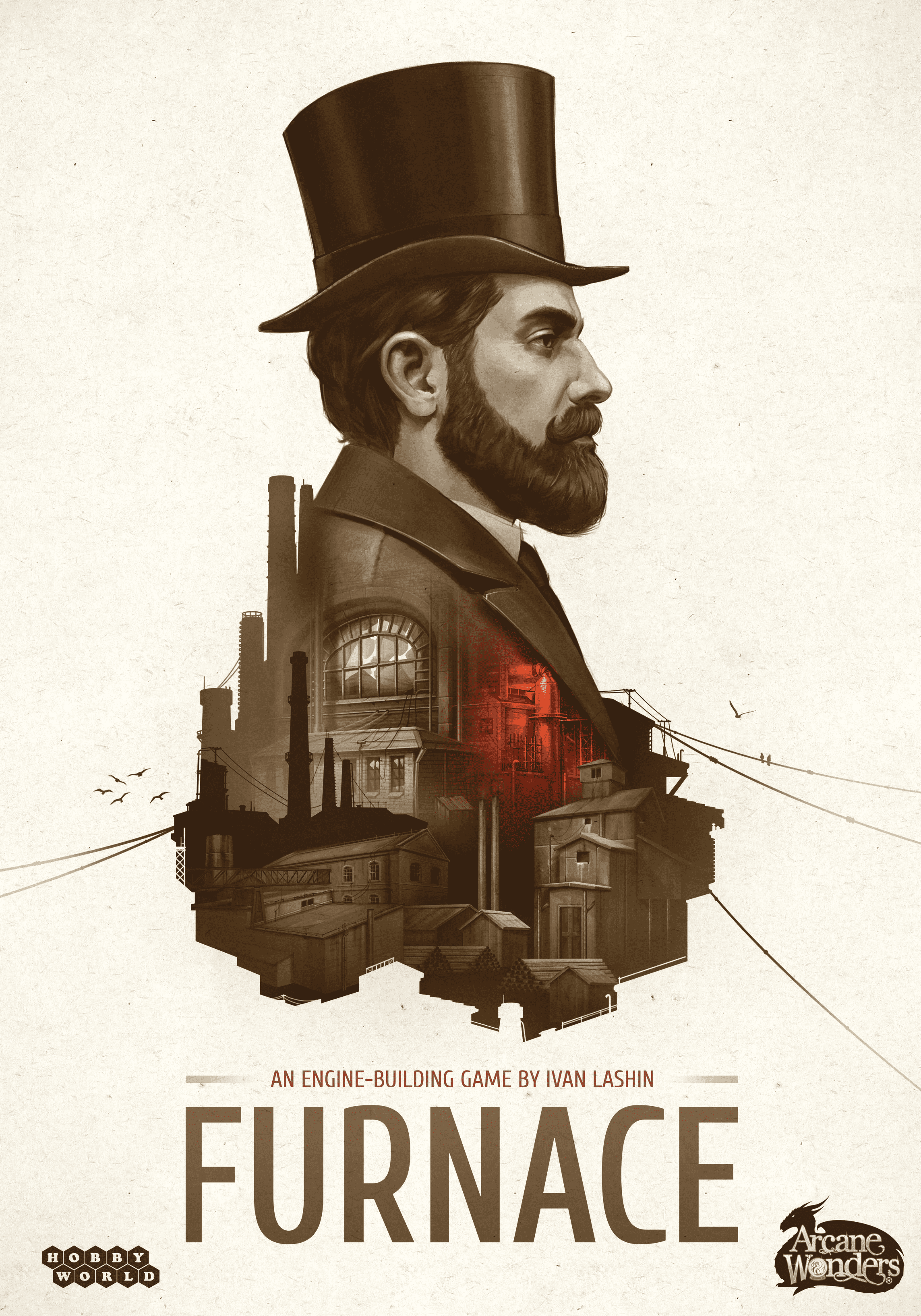
Furnace
2020 · 2 - 4 Players
Our thoughtsWhy it connects
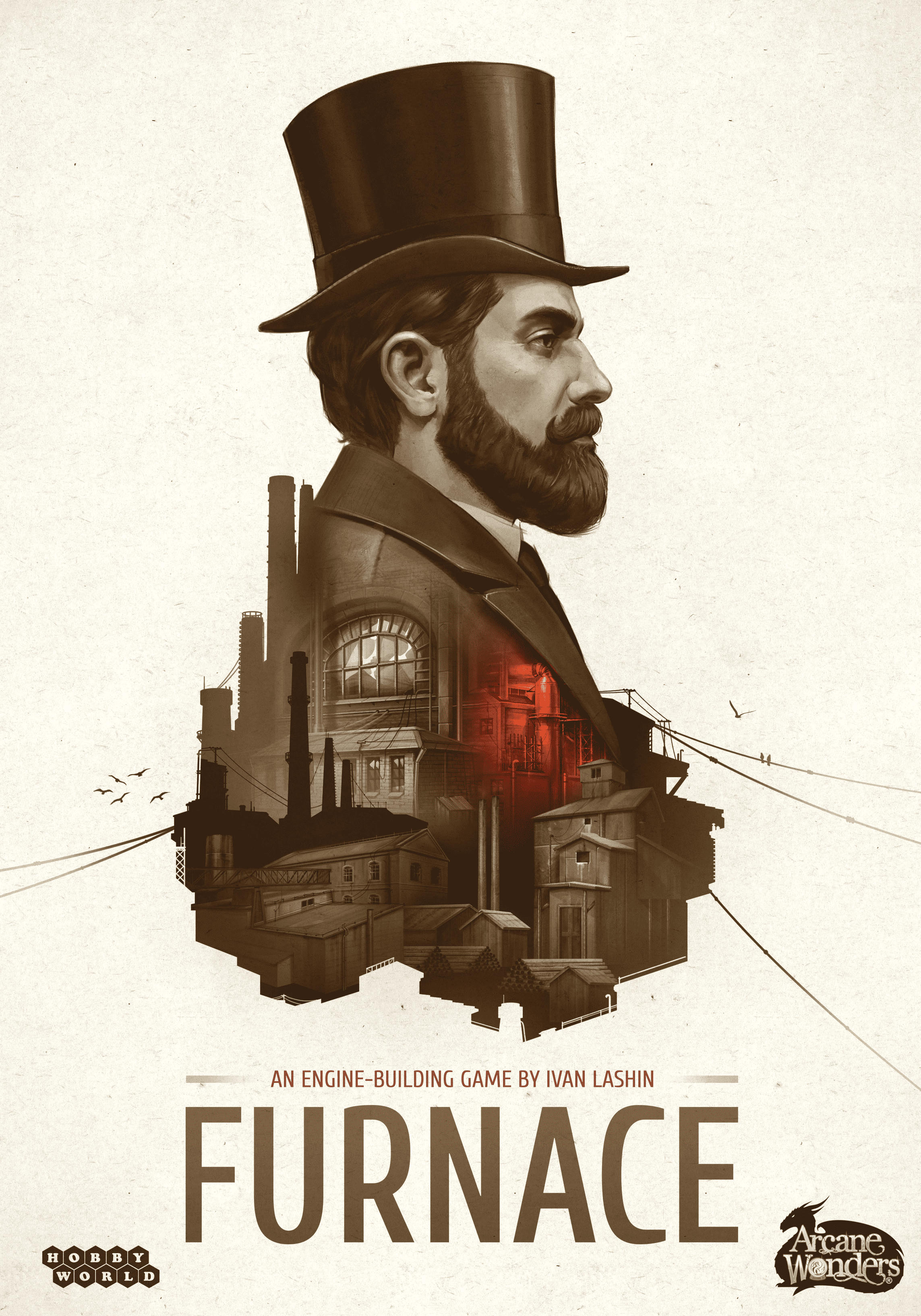
Same push and pull between production lines and resource ownership. Both games have you constantly weighing whether to gain a resource now or hold onto the one you already have.
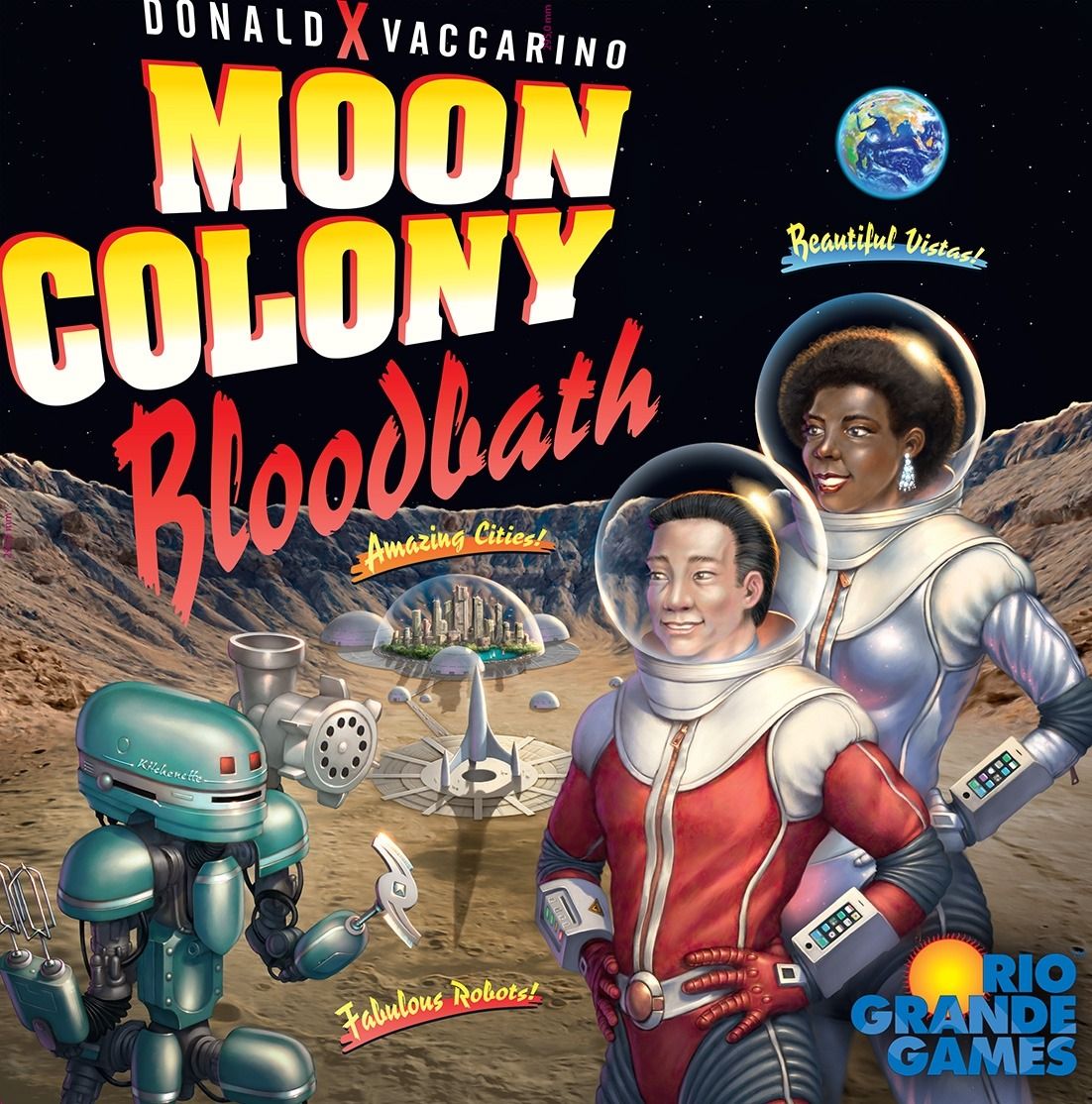
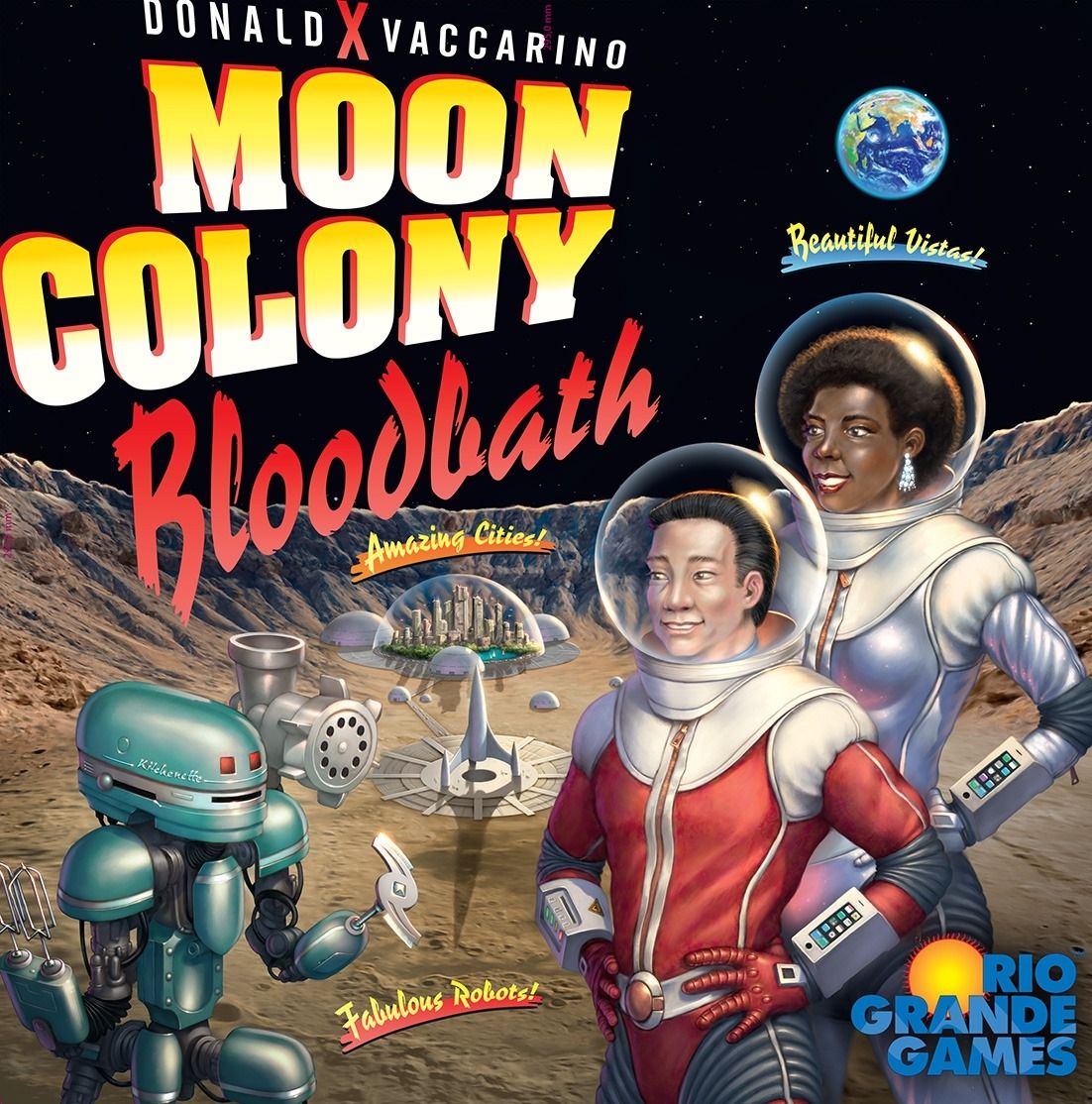
Moon Colony Bloodbath
2025 · 1 - 5 Players
Our thoughtsWhy it connects
Mostly a thematic cousin. Both are about building up a lunar colony piece by piece, but the mechanics diverge once you're actually playing.
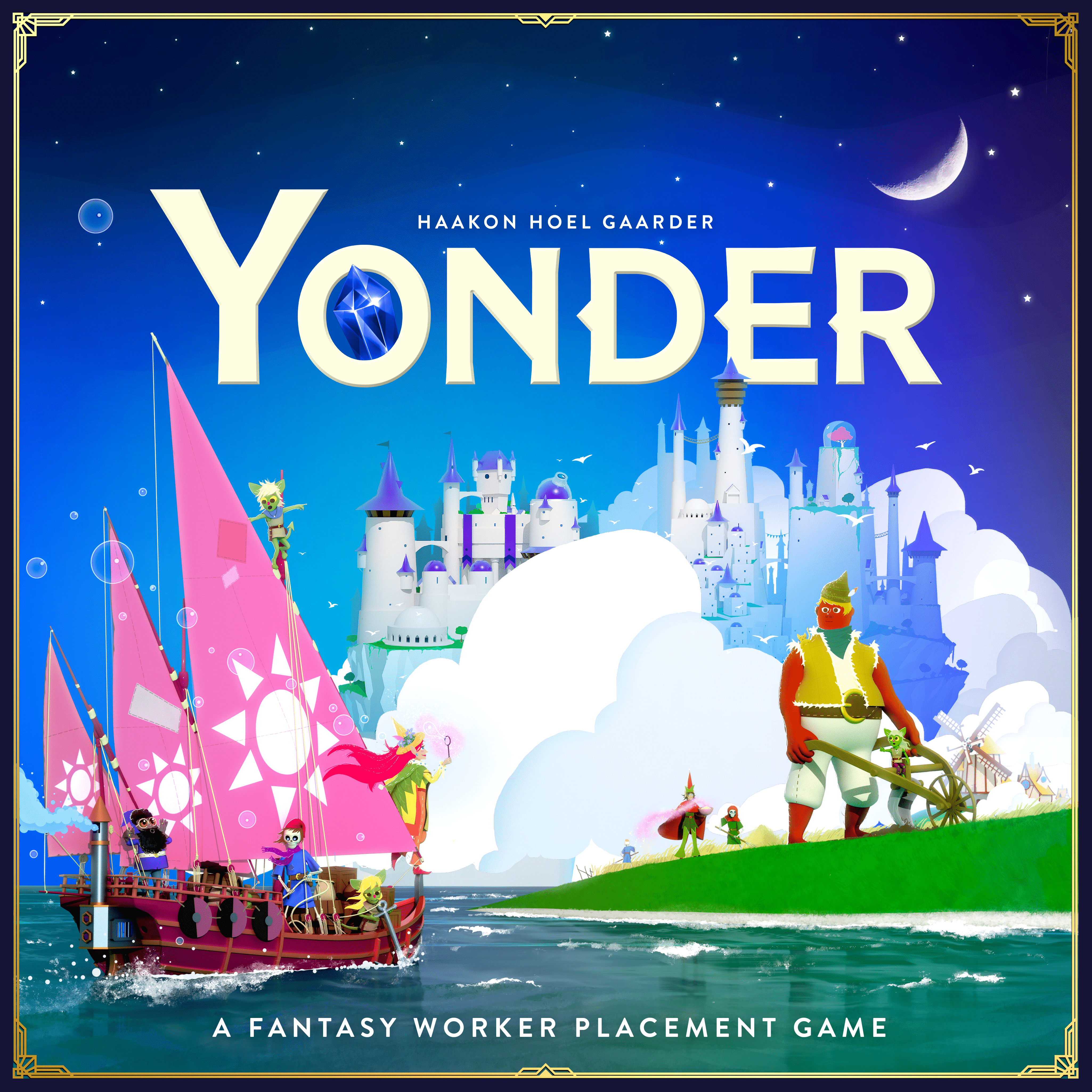
Yonder
2026 · 1 - 4 Players
Our thoughts coming soonWhy it connects
The designer's next game, and the clearer, more developed version of this same idea. It's more stretched out and leans harder into full worker placement, but you can feel it's the same designer refining what Moon started.
We've featured Moon in these collections: