Odin
Gameplay Overview
Odin is a climbing card game where every play is a small dare: can you beat what's already on the table, and are you willing to give something up to do it?
Each player starts with nine cards, and every round kicks off with a single card played into the center. From there, everyone in turn either passes or beats what's showing, using the same number of cards as the last play or exactly one more, and the cards you commit have to share either a color or a number. Play a lone 5, and someone can top you with an 8, or with a pair of 4s. The stakes escalate fast: two 9s aren't a two, they're a 99, and three matching cards can turn into a genuinely enormous number in the space of a few turns.
Here's the twist that gives the whole game its bite: after you play, you have to pick up one card from the set you just beat. If it was a single card, that's easy. If it was a group, you get to choose which one joins your hand, and that choice is doing real strategic work every single time. The round keeps going until everyone but one player has passed, and whoever played last starts the next round fresh. Score accumulates from whatever's left in your hand when a round ends, and lowest total wins once someone crosses the target. It's simple to state and surprisingly tense to actually play, because you're never just shedding cards, you're constantly rebuilding your hand with whatever the table hands back to you.
Published
2024
Status
owned
Players
2 - 6 Players
Our thoughts
This is a card-shedding game with a rhythm so simple and so well tuned that it delivers real strategy without any of the usual rules bloat that phrase tends to get thrown around for. Some of that is just good design: it doesn't feel clunky, it just feels clean. After you play, you have to pick something up off the table, and at higher player counts there's simply more sitting there to choose from, which opens things up in a fun way. But even at two players, it's genuinely delightful, because you're always weighing how to beat what's currently down while still keeping an eye on where your hand is headed.
We think it plays slightly better at three or more, since the pickup choices open up and the table gets more unpredictable, but it's absolutely a complete, satisfying experience at two as well. The game is tiny, both in box size and in playtime, and because you're always trying to beat whatever was just laid down, there's a real requirement for staying flexible instead of planning too many moves ahead.
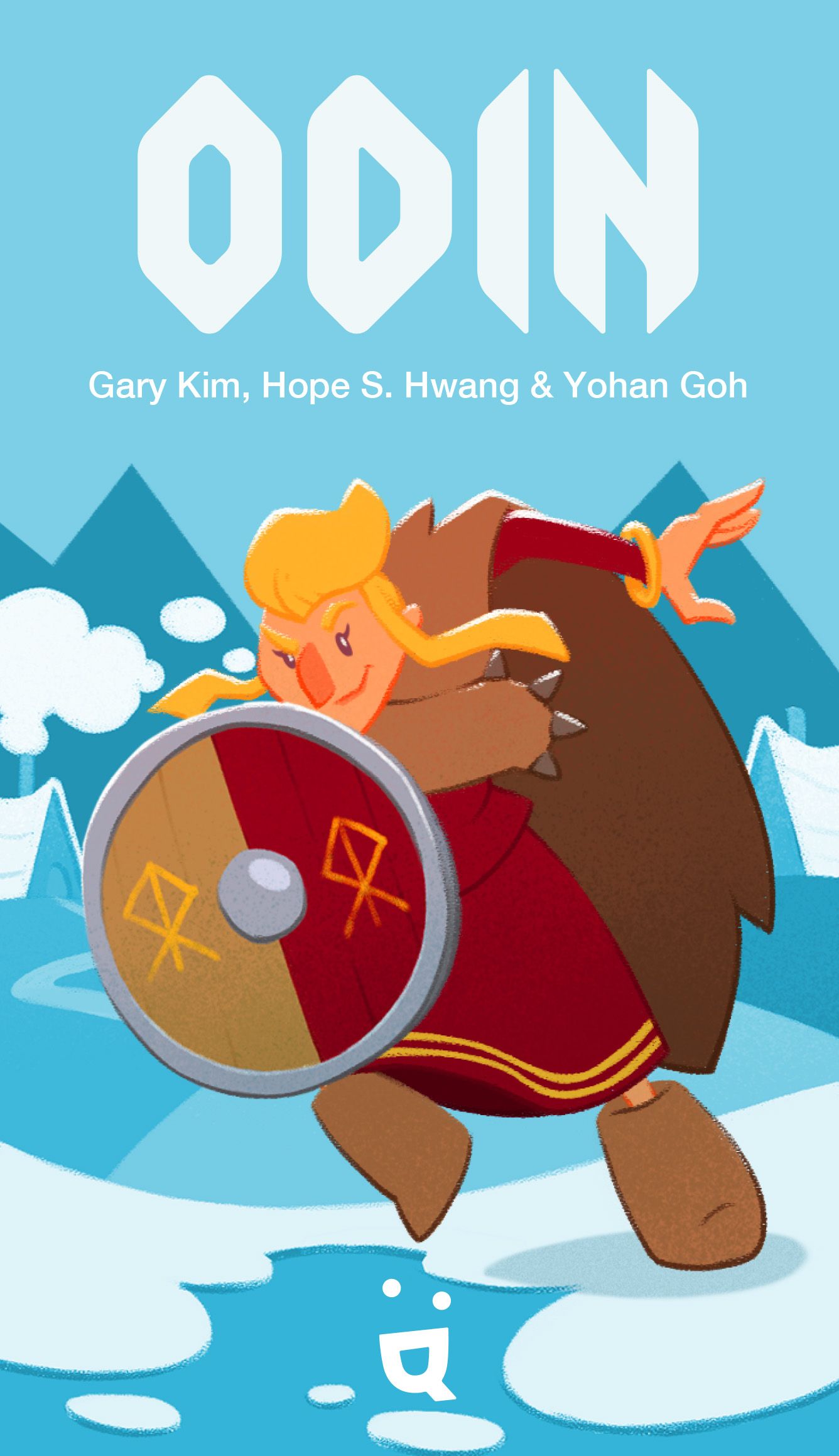
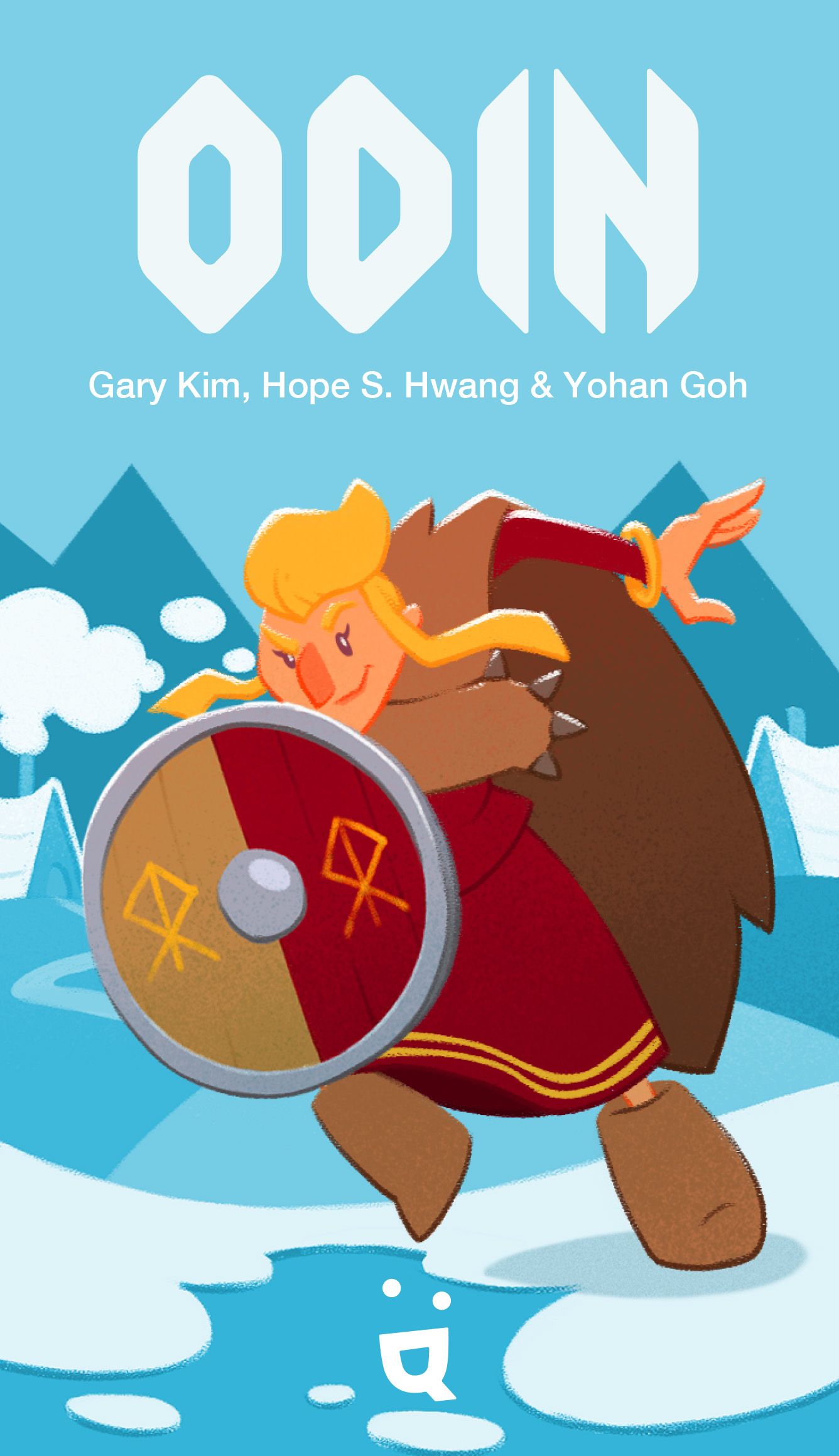
This is also a fantastic game to hand to someone who already loves a standard deck of cards. It gives them something novel without losing the DNA of the classic card games they already know, so it's easy to teach and easy to love quickly. The artwork is genuinely adorable, simple and clean in its graphic style, and honestly, this isn't a deep game. It doesn't try to be. The strategy is fun, people who play it tend to enjoy it, and it's not going to be the best experience you've ever had at a table, but it's also just a really solid, reliable one.
It's a lovely palette cleanser. It works to open a game night or close one out, it travels well to a café, and it's the kind of thing you're glad to have in your pocket if you end up somewhere boring, on a train, in transit, on a plane. That's what earns it a permanent spot in our collection: it fits into almost any context without ever feeling like a hassle to bring along, and it's never so lightweight that carrying it around feels like a waste. It's pleasant, it's dependable, it's consistent. We love showing it to new people, we love it ourselves as a kind of buffer game between heavier things, and it's an absolute staple for us at conventions.
Try this if you like...
Balancing the now against the next
Every play is both "what do I need to survive this round" and "what am I setting myself up for two turns from now," and that tension never really lets up.
A game that punishes taking too strong a lead
Play your best combination too early and you might not have anything left to start the next round with, which keeps anyone from running away with it.
Fast, tight decision-making without a rulebook's worth of overhead
The rules take minutes to explain, and the actual decisions stay sharp the whole way through.
Something genuinely portable
This fits in a coat pocket, a purse, or a carry-on, and it earns its spot there instead of just being small for the sake of being small.
An easy on-ramp for traditional card game players
If someone already loves games with a standard deck, Odin gives them something novel to chew on while staying close enough to familiar ground that it's an easy sell.
Follow the same spark
What to play after Odin
Not just games that look alike—these are the specific connections we felt at the table.
Panda Spin
2024 · 2 - 5 Players
Our thoughts coming soonWhy it connects
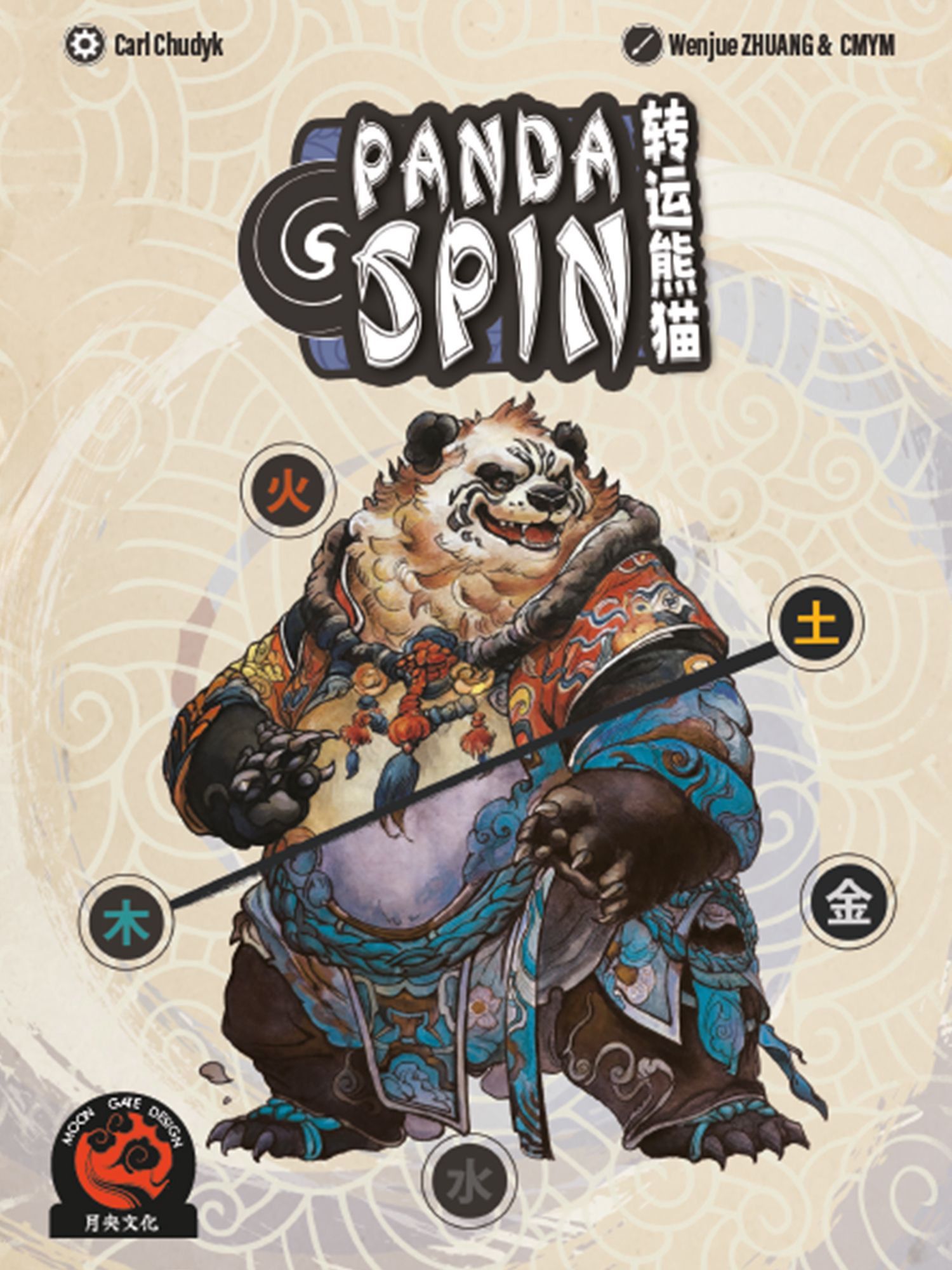
Winning a trick isn't always what you want there either. Losing on purpose sends your cards back into your hand flipped and stronger, which is the same philosophical bet Odin is making: getting ahead too cleanly right now can leave you worse off later.
Ruins
2025 · 2 - 5 Players
Our thoughts coming soonWhy it connects
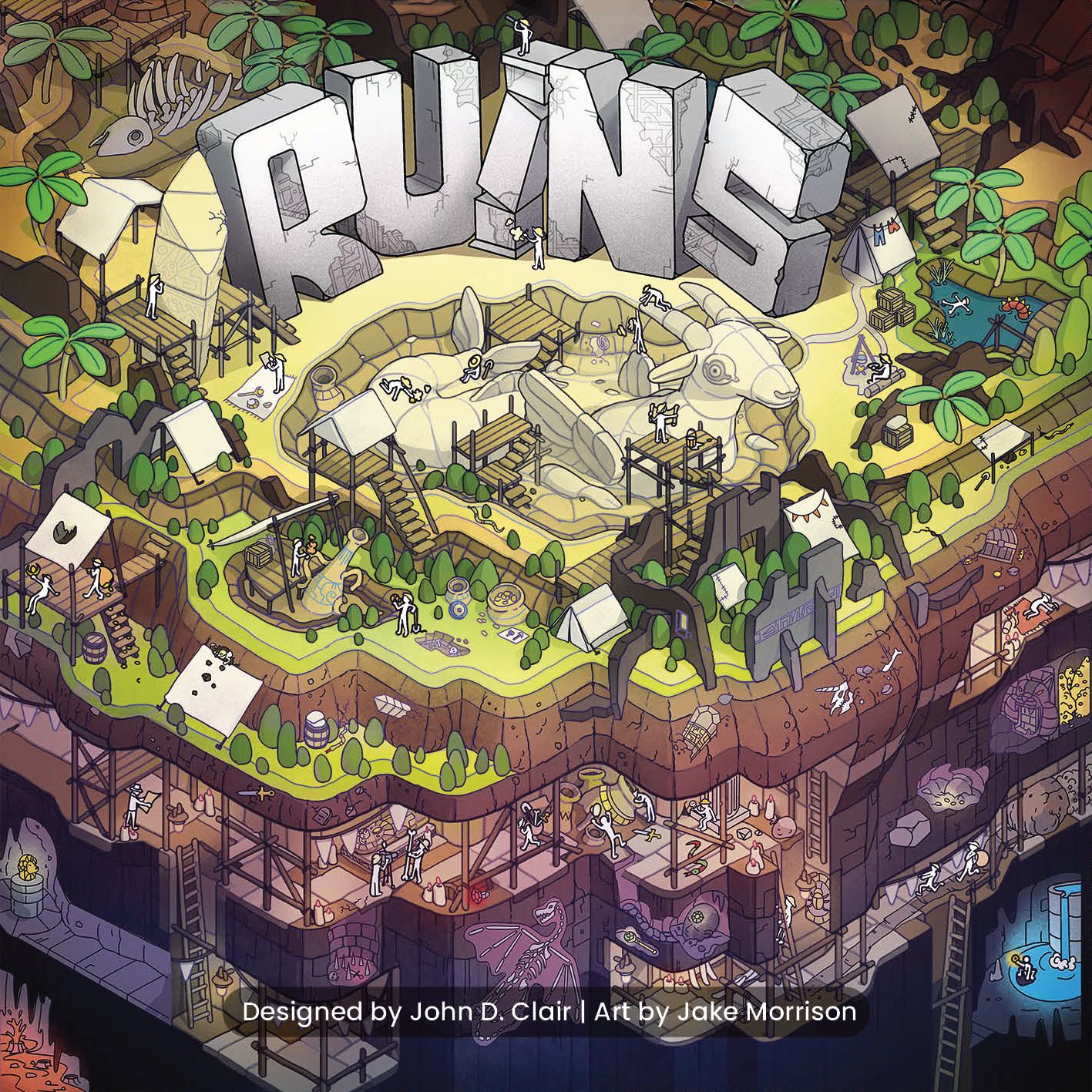
Also a shedding game, and it shares that same undertone of reluctant generosity. You only ever get to personally claim one or two cards for the whole game, so plenty of what you build ends up benefiting whoever's sitting across from you, exactly like handing an opponent a card off the table in Odin.
We've featured Odin in these collections: