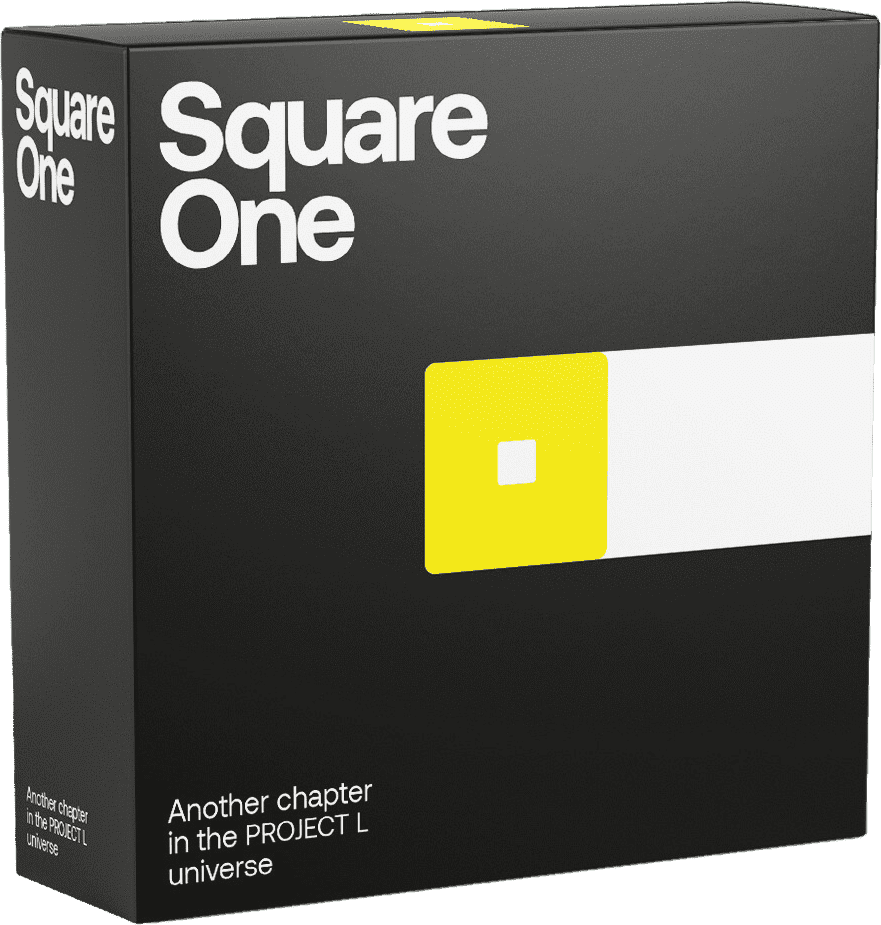
Square One
Gameplay Overview
Square One asks you to build a small, satisfying machine out of nothing but colored pieces and timing. You start with almost nothing, just a couple of basic pieces, and every turn you get exactly three actions to spend from a shared list: grab a new low-level piece, claim a sequence tile from the shared market, drop pieces into the next open row of one of your sequences, merge smaller pieces into a bigger one, or split a big piece back down into smaller ones when that's actually what you need. The sixth option is the Master Action, and it's the one everyone's turn is quietly building toward. Once per turn, you can fill a row across as many of your sequences as you're able to complete at once, and if you manage to finish more than one in that single motion, the combo scales your reward up with every extra sequence you close out. Because everyone works from the same shared pool of pieces and the same market of sequence tiles, there's a light layer of competition running underneath, but mostly you're heads-down optimizing your own little engine, watching your reserve of pieces grow more efficient with every merge and split. The game ends before it has a chance to drag, so there's real time to actually get an engine running and then enjoy running it.
Published
2025
Status
owned
Players
1 - 4 Players
Our thoughts
We played this, the sequel, long before we ever tried Project L, the original, and we love it. It's a spatial puzzle wearing an engine builder's clothes, with light player interaction built around a shared central marketplace, but it leans much closer to multiplayer solitaire than to anything truly competitive. One of our favorite things about the design is that you're never just sitting there waiting your turn. You can be mapping out and adjusting your own plan while someone else executes theirs, so the game never feels like it drags between turns.
There are just enough actions available on a turn that you can actually get some real momentum going, and over time that momentum pays off. The Master Action is such a perfectly calibrated little dopamine hit, and it has real "watch me do this" energy, the kind where you want the whole table paying attention while you land a perfectly timed combo. Having now also played Project L, we've come to appreciate just how good the combo action in Square One really is. It adds a layer of dynamism on top of the core actions that Project L doesn't quite have, giving you real room to get ahead depending on how you play it. Some people thrive chipping away steadily at small sequences and closing them out for frequent little bonuses, while others prefer playing slower for bigger individual rewards. Which approach wins out really depends on what shows up in the market that game.
We've taught this to non-gamers and they picked it up fast. The player aids are genuinely good, and the game doesn't overstay its welcome before it ends. As long as everyone at the table is playing nicely with the shared marketplace and nobody's rushing to trigger the endgame early, there's real room to enjoy the whole runtime. It's a great pick if you like a deep, genuine appreciation for what everyone else is quietly building, with no real sense of who's actually winning until it's time to tally up the score.
Try this if you like...
Turns that never feel like downtime
Because you're always three actions deep in planning your next move, someone else's turn becomes prep time for your own instead of a pause.
A satisfying "look what I just did" moment
The Master Action is a genuine little dopamine hit, especially when you time it to chain a combo across multiple sequences and everyone at the table gets to watch it land.
Light interaction that still leaves you working solo
The shared market and piece pool give you just enough friction with other players without ever tipping into direct confrontation.
A real engine-building arc in a short runtime
There's enough time to actually build something and enjoy running it before the game ends, without it stretching past the point of fun.
Genuine appreciation for what everyone else is building
Because it plays close to multiplayer solitaire, there's no clear sense of who's ahead until the final tally, which keeps you watching each other's boards with real curiosity instead of anxiety.
Follow the same spark
What to play after Square One
Not just games that look alike—these are the specific connections we felt at the table.
Project L
2020 · 1 - 4 Players
Our thoughts coming soonWhy it connects
Its own predecessor, and the game it's a direct sequel to. Project L uses tetris-style shapes that physically fit into puzzle cutouts, where Square One simplifies that into placing pieces onto printed sequence rows, trading some of the geometric fiddliness for cleaner, faster turns.
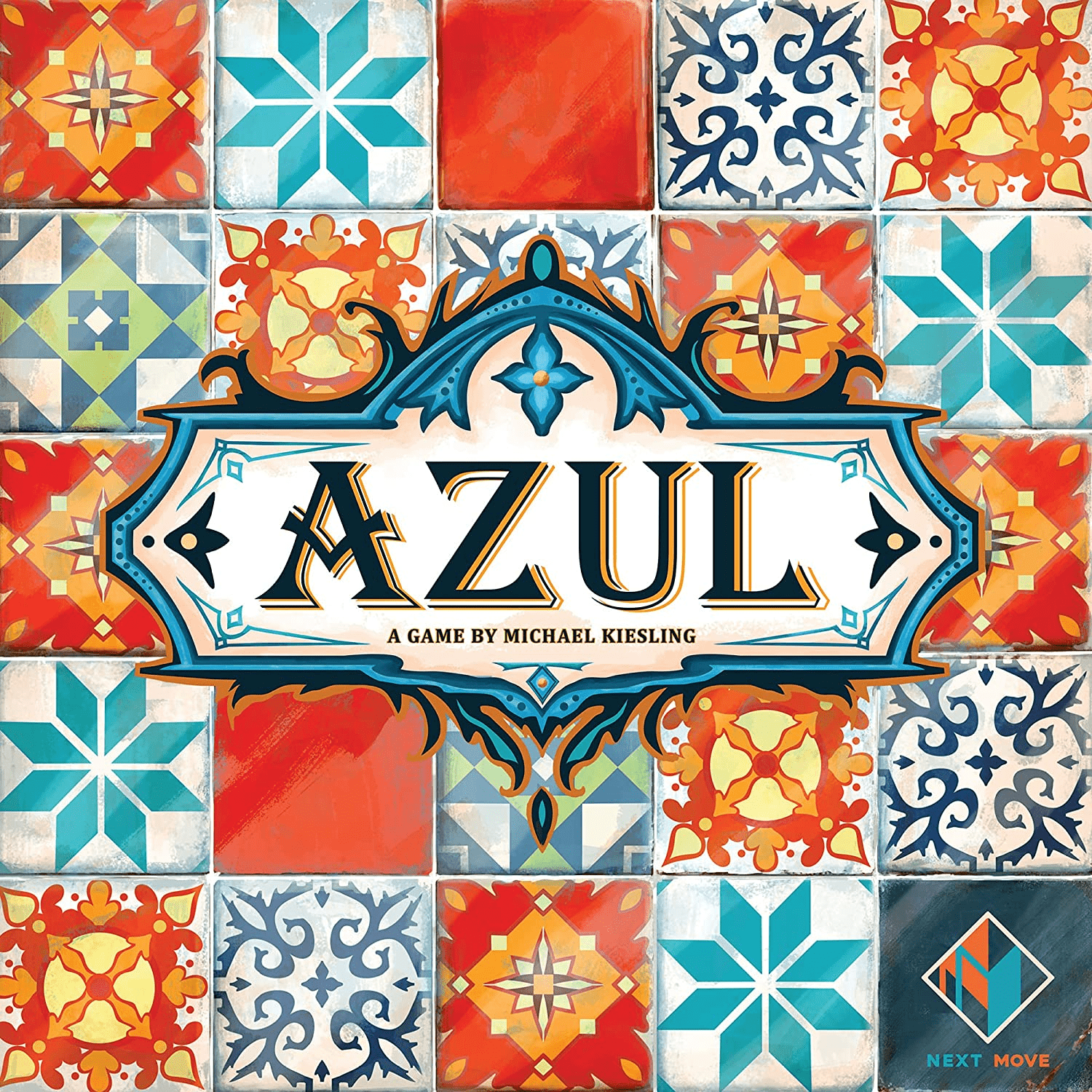
Azul
2017 · 2 - 4 Players
Our thoughts coming soonWhy it connects
A different puzzle entirely, but a similar headspace: quiet, low-conflict optimization where the real tension is watching your own plan come together turn by turn. (Though Azul is a little spicier if you choose to hate draft.)
We've featured Square One in these collections: