Wok and Roll
Gameplay Overview
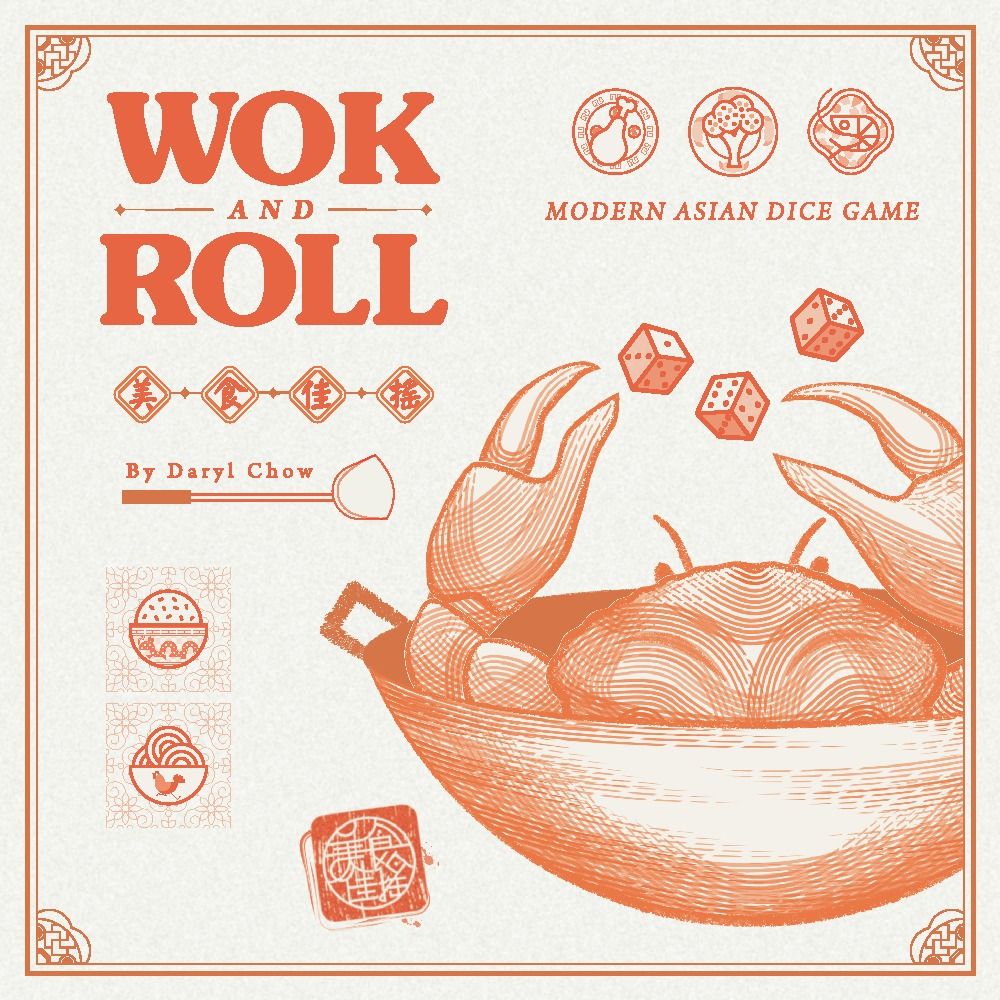
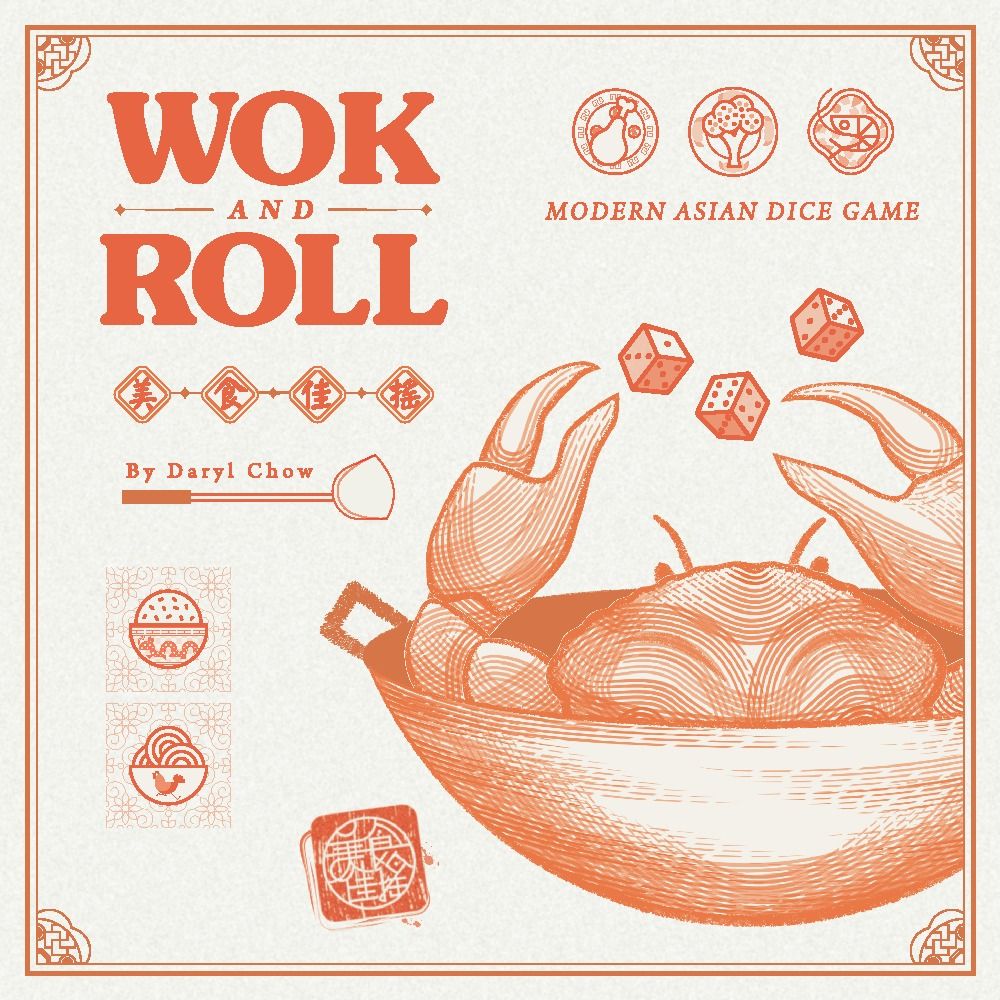
Wok and Roll turns cooking dinner into a small, satisfying dice puzzle. Every turn, the active player rolls six dice, two red and four white, and gets up to two rerolls to lock in exactly the ingredients they want, Yahtzee-style. Here's the twist that gives the whole thing its shape: only the active player gets to use all six dice. Everyone else at the table has to build their own dish that same turn using just the four white results, so you're all racing to make the most of whatever just landed on the table.
Each player has their own menu board lined with dish columns, rice, noodles, chicken, broccoli, shrimp, and you're crossing off servings by matching the ingredient icons in front of you to what a dish requires. Filling in certain sections unlocks a personal pantry, letting you substitute an ingredient you didn't roll, or opens up recipe books that multiply your points. The game ends the instant anyone specializes, meaning they've completed three servings all the way down a single dish column, so there's a real tension in the room by the midgame: rush your own specialty and cut the table off early, or hold out a little longer, chain bigger combos, and stack up multipliers before someone else pulls the trigger. It's fast, it's a little chaotic, and it somehow makes rolling dice feel like actual cooking.
Published
2020
Status
owned
Players
1 - 5 Players
Our thoughts
We came into this one skeptical of roll-and-write as a genre entirely. Neither of us had played many, and we both assumed it would be either boring or too shallow to hold our attention, maybe a fine cozy afternoon game but not grippy enough for how our brains usually like to work. Wok and Roll caught us completely off guard. It's genuinely a great deal of fun.
Some of that is pure sensory pleasure. There's something about rolling dice specifically that just feels good in the hand, which is funny given that dice almost always mean luck is baked into the outcome, and yet somehow this is a luck mechanic our household actively enjoys rather than tolerates. The design leans into that too: the tray insert in the box is shaped like an actual wok, so every roll genuinely looks like you're tossing ingredients in a stir-fry. Small touch, big charm.
Mechanically, we love how much room there is for real choice inside something this light. You can play fast and specialize early just to cut the table off before anyone else gets there, or you can hold off and chain bigger combos by unlocking pantry ingredients and recipe book multipliers along the way. That push and pull between the quick dopamine hit of crossing something off versus the more patient, strategically optimal move is one of our favorite tensions in any roll-and-write, and Wok and Roll nails it.
This one sits on the lighter side of our collection, and these days we're usually reaching for something with a bit more intellectual grip. So Wok and Roll has become more occasion-based for us: a café game, a park game, or something we pull out to teach a group of friends who don't play a lot of board games. It's a genuinely excellent early entry point if you're building a collection or you know you like lighter games, and it'll probably fall away naturally as your own taste gets more complex. But every single time we come back to it, we have a great time. It's just not the game we reach for anymore when we're craving a real strategic workout.
Try this if you like...
The plain sensory pleasure of rolling dice
There's something genuinely nice about the physical act of shaking, rerolling, and locking in dice, independent of any strategy attached to it.
Racing off a shared roll instead of your own private one
Everyone but the active player is scrambling to make the most of the same four dice at the same time, which keeps the whole table leaning in even on someone else's turn.
Choosing your own pace toward the finish line
You can rush to specialize and end the game early, or hold back for bigger combos and point multipliers, and that choice is genuinely yours to make each session.
The tension between finishing something and playing optimally
Crossing off a dish the moment you can feels great even when the smarter move might be saving those ingredients for a bigger combo later, and that little conflict is part of the fun.
A great teaching game for new players
It's light enough to hand to someone who's never played a strategy game and still walk away having genuinely enjoyed themselves.
Follow the same spark
What to play after Wok and Roll
Not just games that look alike—these are the specific connections we felt at the table.
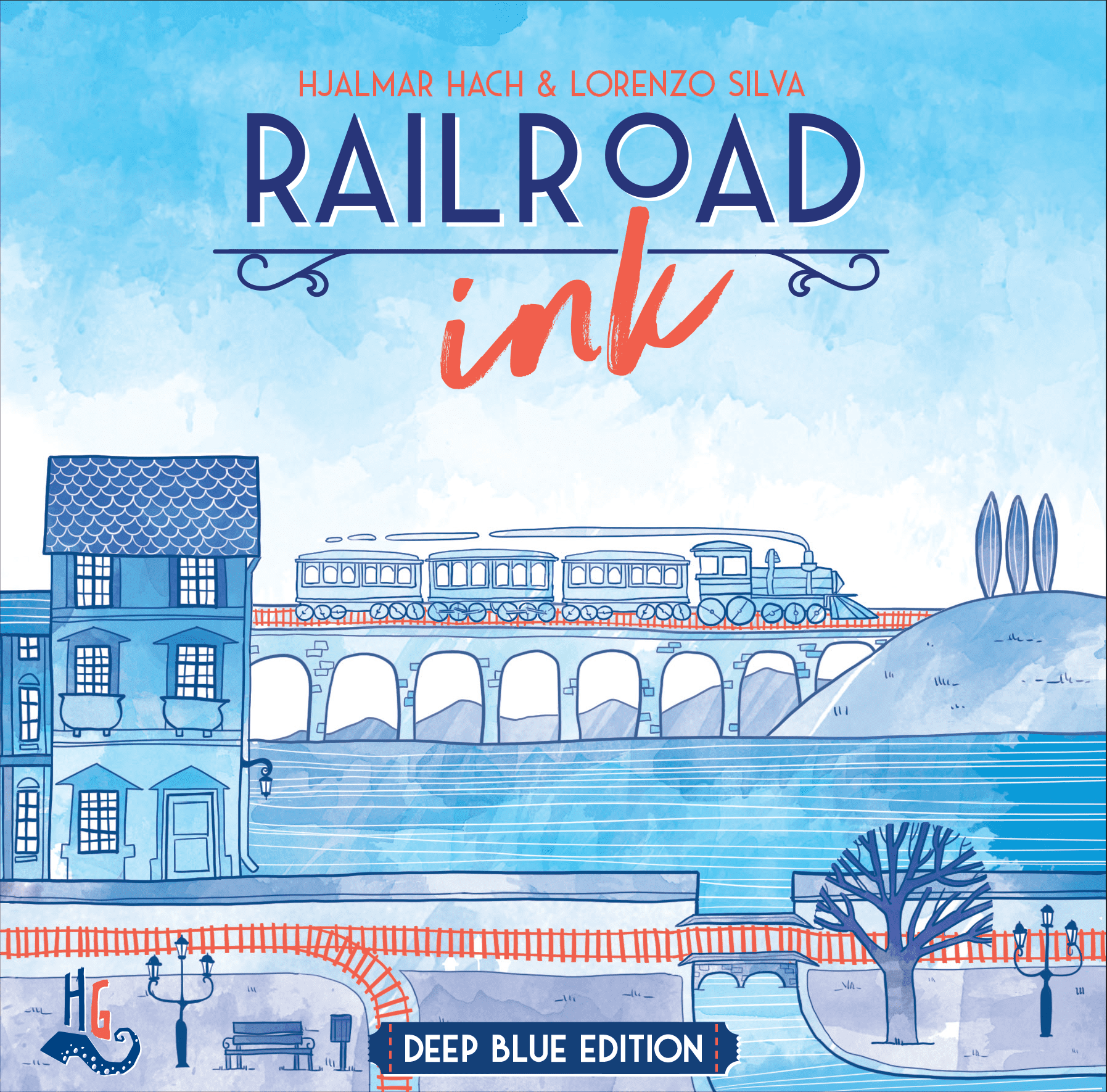
Railroad Ink: Deep Blue Edition
2018 · 1 - 6 Players
Our thoughtsWhy it connects
Another roll-and-write and a good point of comparison for how differently the genre can feel. Where Railroad Ink is a quiet, parallel puzzle, Wok and Roll adds real urgency by making everyone race off the same shared roll.
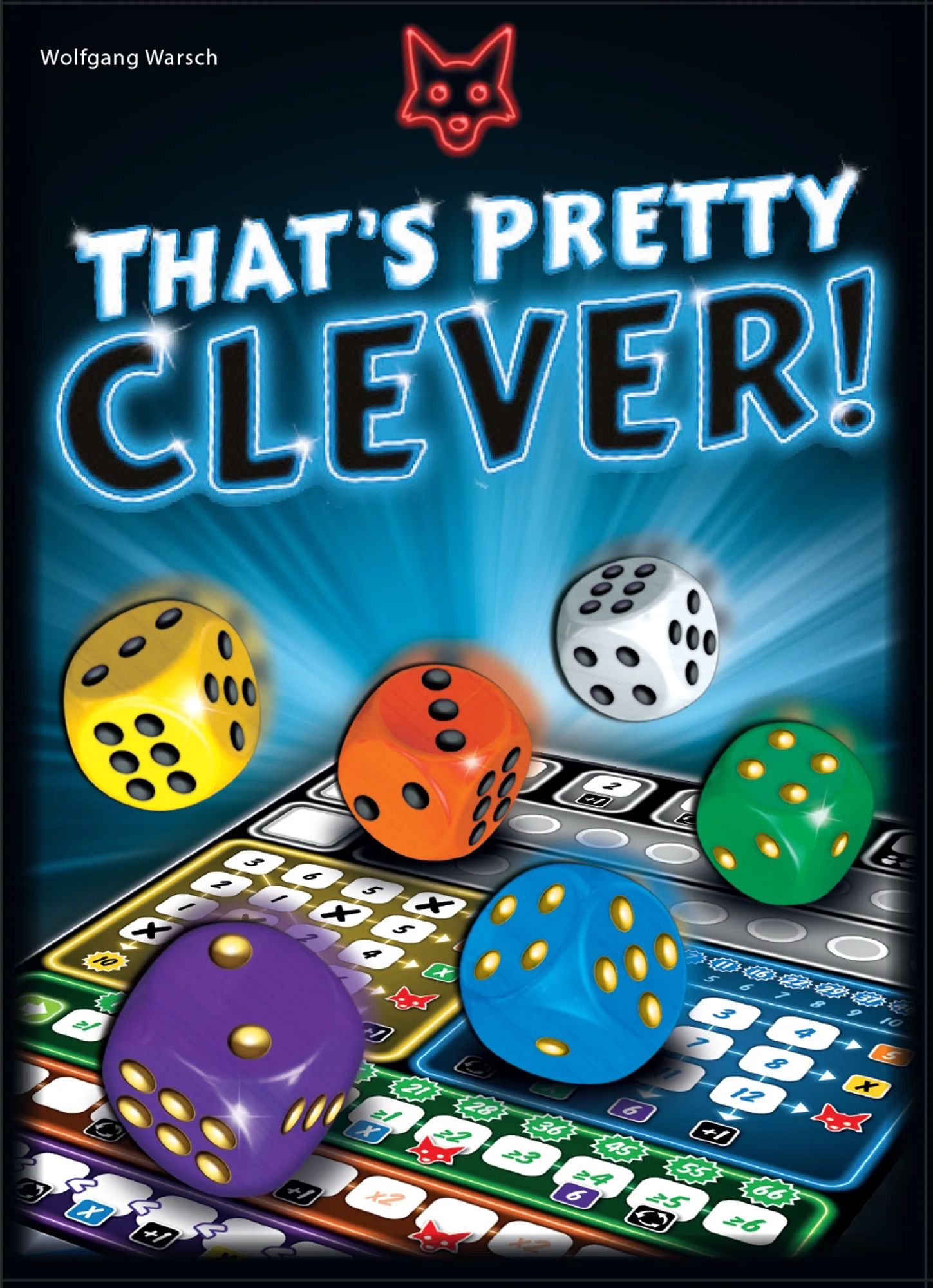
That's Pretty Clever!
2018 · 1 - 4 Players
Our thoughts coming soonWhy it connects
Same dopamine loop of turning a random roll into a satisfying chain of crossed-off boxes, with everyone working from a shared pool of dice at once.
We've featured Wok and Roll in these collections: