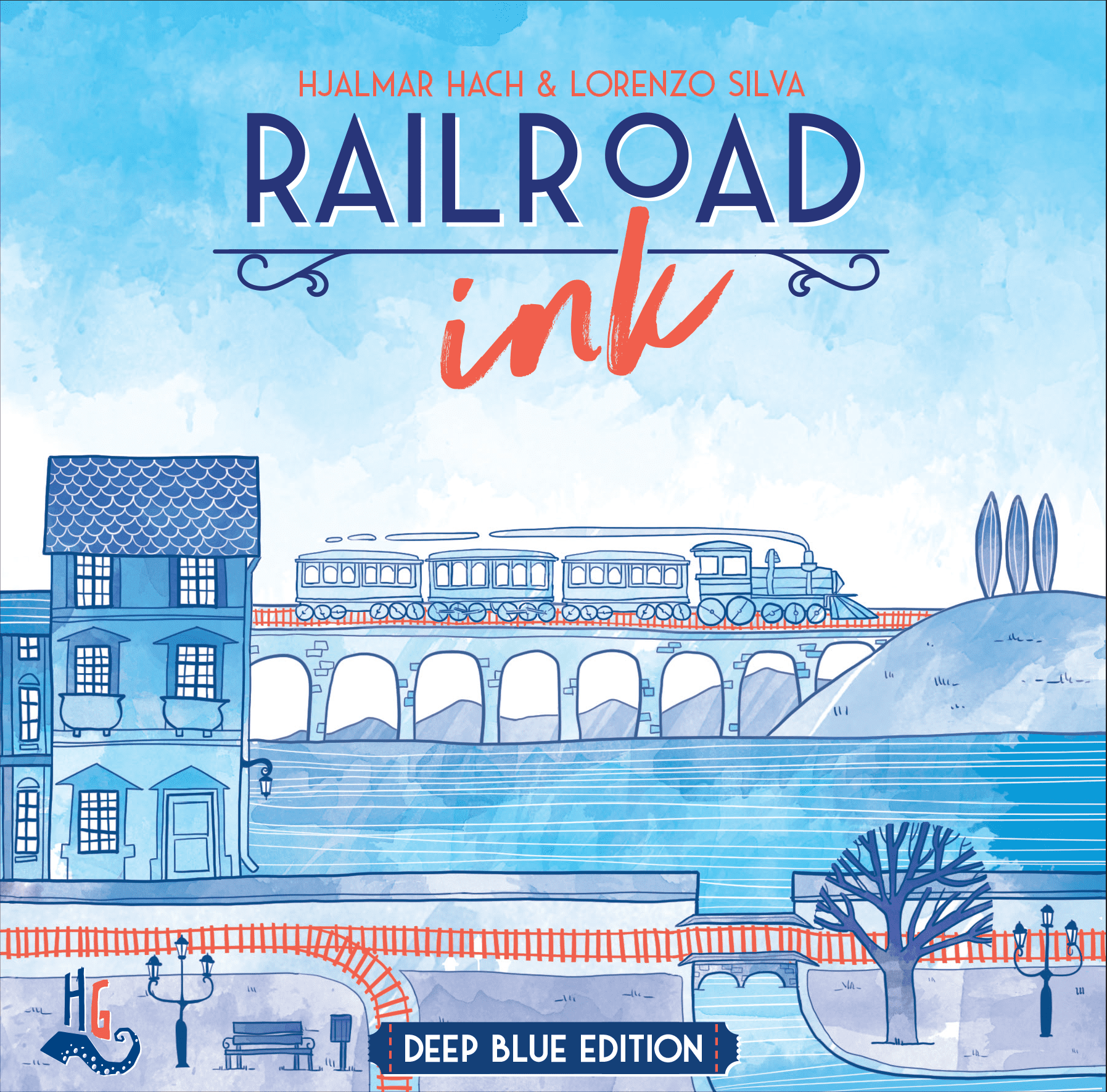
Railroad Ink: Deep Blue Edition
Gameplay Overview
Railroad Ink is a roll-and-write built around a single, escalating goal: connect as many of the exit points on the edges of your board as you can into one network. Each round, four dice get rolled in the middle of the table, showing a mix of straight, curved, and T-junction rail and highway pieces, plus a special die for overpasses or stations. Everyone plays from the exact same roll, drawing those shapes onto their own erasable board at the same time, so the puzzle is entirely about where you place them, not what you get. Stations let a highway and a railway connect to each other. Overpasses let two routes cross without linking up. You also get three special four-way pieces across the whole game, usable once per round, for the moments a straight piece just won't cut it. The game runs exactly seven rounds. When it ends, every exit connected into the same network scores based on how many exits that network reaches, your single longest highway and railway each add a point per space, and any route left dangling with an unfinished end costs you a point apiece. That last rule is the whole game in miniature: the temptation to keep stretching a network toward one more exit against the real risk of leaving something incomplete and paying for it at the end.
Published
2018
Status
owned
Players
1 - 6 Players
Our thoughts
We were introduced to this at a board game convention, in an oversized version run by Rozie from Cozy Board Games, and had enough fun there that we started playing it on Board Game Arena afterward. It has never actually made it into our physical collection. We play it exclusively online, and that's been enough for us to enjoy it regularly.
As a physical roll-and-write, one of the more annoying parts is how much drawing is involved, and some of the shapes are a little strange to render by hand even though the underlying logic is simple. That drawing can be part of the appeal if you're playing slowly and treating the game as much as an experience as a competition. If you're approaching it more for the strategy and the points, the Board Game Arena version handles the drawing for you, which lets you focus purely on execution. Not every game translates well to mobile on that platform, but this one does.
This has become our go-to for restaurants while we're waiting on food, specifically because that environment is loud enough that talking over it would wear on both of us, but we still want to be doing something together. Pulling out our phones and playing a round or two on BGA gives us that shared activity without needing to compete with the noise.
One detail that says something about how each of us plays: leaving an unfinished route bothers Madeline enough that it took real effort to let incomplete edges exist when the math called for it, in service of scoring better elsewhere. It's an easy game to get caught up in doing what feels satisfying in the moment (finishing a shape, closing a loop) rather than what actually serves the objective, and noticing that pull in real time is part of what makes the game entertaining for us.
Try this if you like...
A puzzle you can play from your phone
The Board Game Arena version removes the drawing entirely and just has you place pieces, which turns this into a genuinely portable, low-effort game to pull out anywhere.
Something to play in a loud room without needing to talk
It works well in a setting where conversation would mean competing with noise, since two people can sit with their phones and play in parallel without needing to say much.
Push-your-luck built into a spatial puzzle
Every piece placement is a small bet on whether you'll be able to close that network off later or whether you're setting yourself up for a penalty.
A short, self-contained session
Seven rounds is enough to build something and see it through, without asking for a long stretch of anyone's evening.
The tactile experience of drawing, if you're playing physically
The shapes are a little strange to draw by hand, and if you slow down and treat that as part of the experience rather than a chore, it adds something the digital version doesn't have.
Follow the same spark
What to play after Railroad Ink: Deep Blue Edition
Not just games that look alike—these are the specific connections we felt at the table.
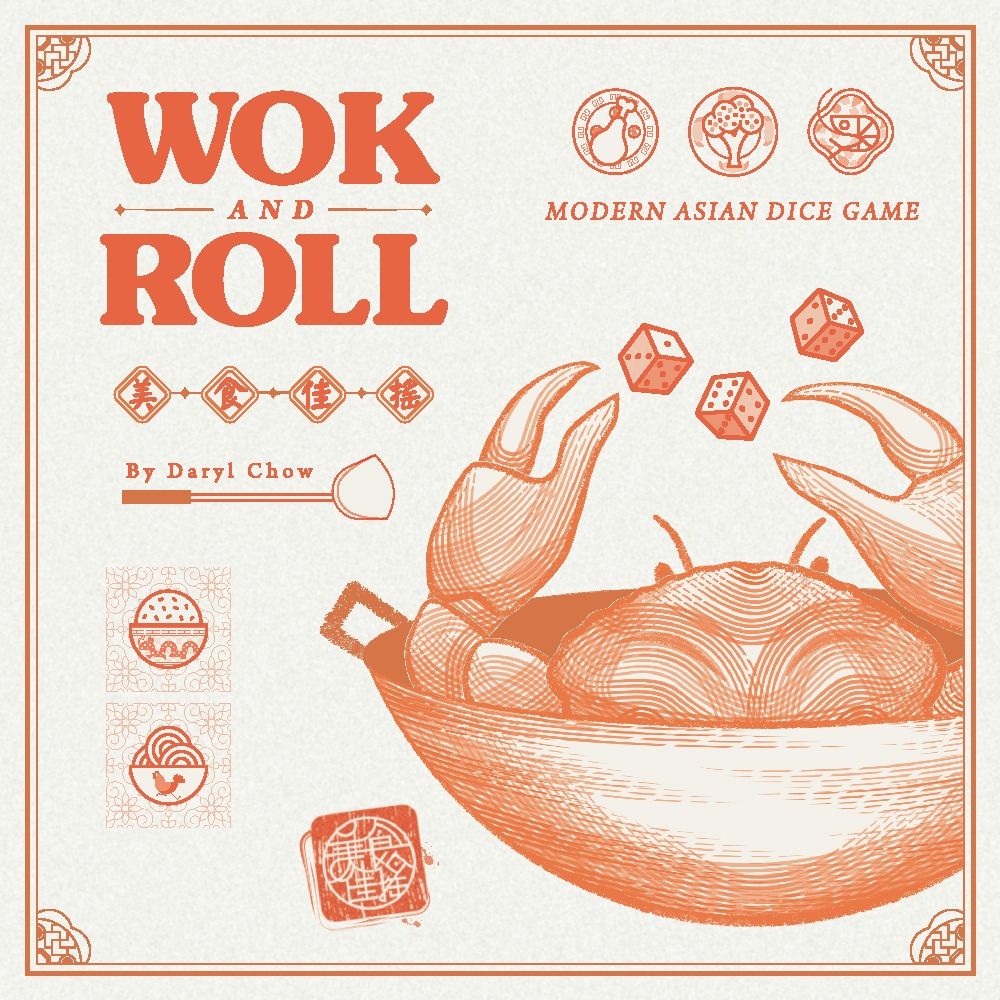
Wok and Roll
2020 · 1 - 5 Players
Our thoughtsWhy it connects
Another beloved roll-and-write in our collection, and a useful contrast. Both hand you a random result and ask you to make the most of it, but Wok and Roll's shared dice pool creates urgency between players, while Railroad Ink is quieter and entirely about your own board.
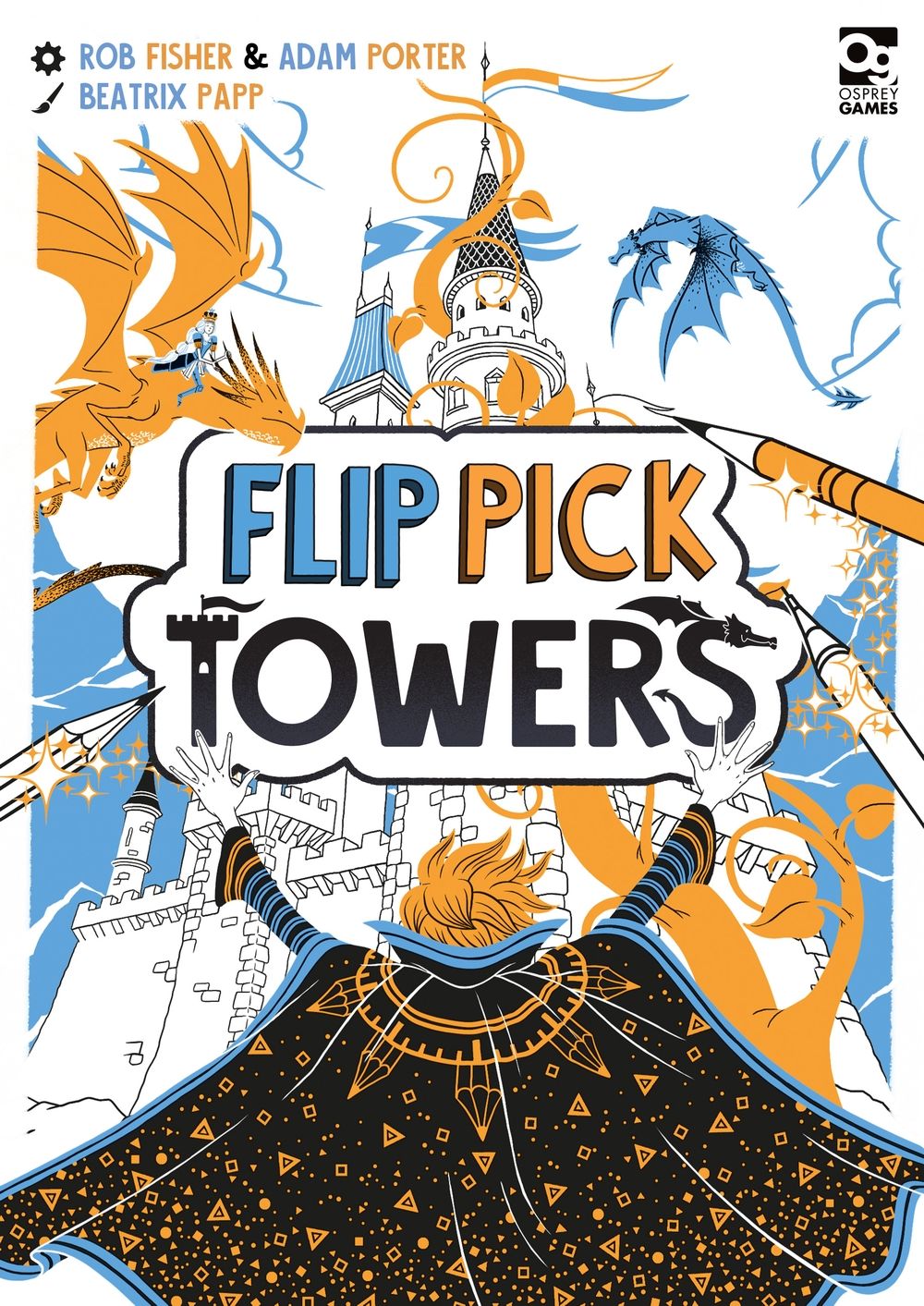
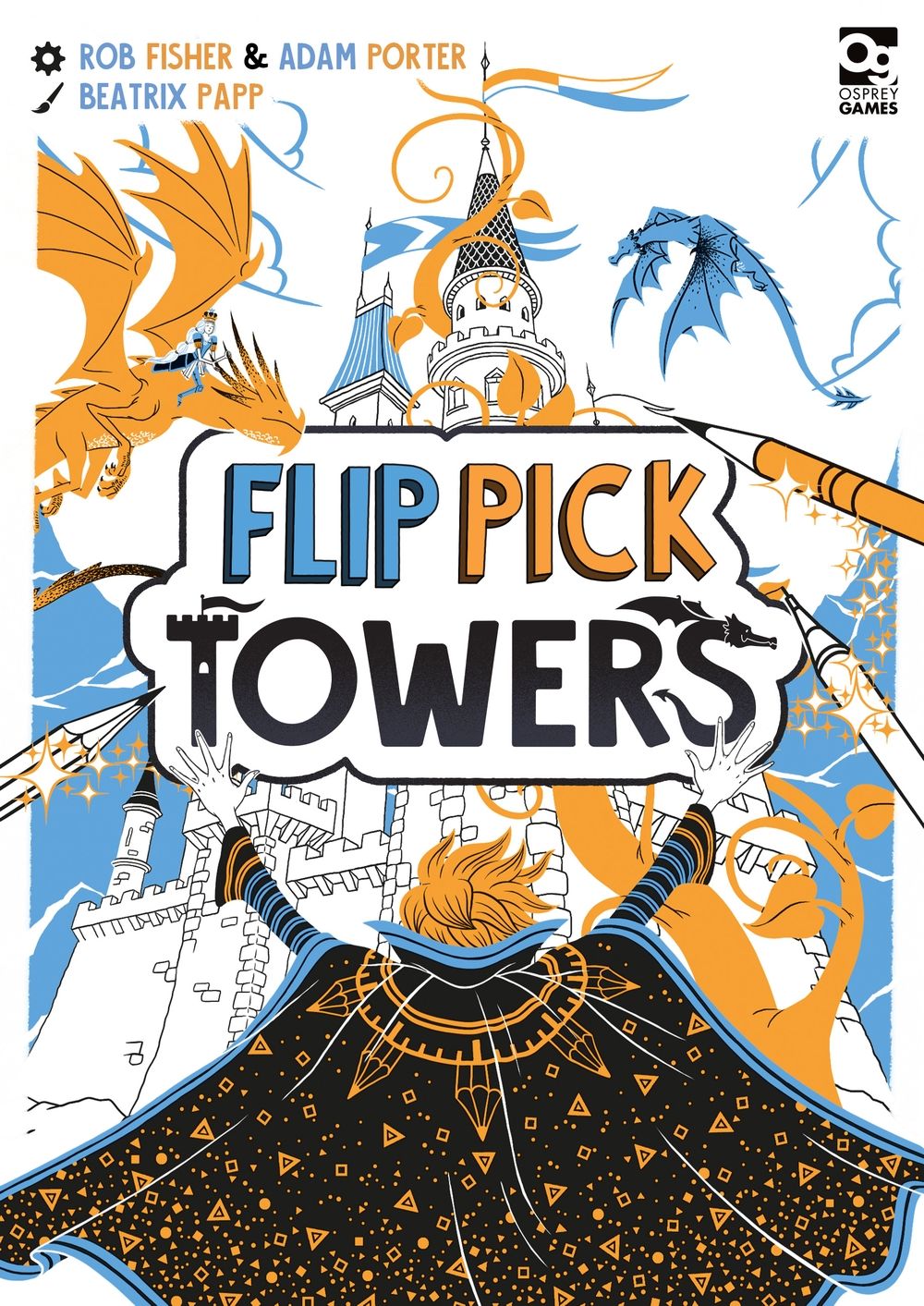
Flip Pick Towers
2026 · 1 - 6 Players
Our thoughtsWhy it connects
A different genre on paper, but the same appeal underneath. Both games ask you to physically draw something, and in both, the drawing itself can become part of the pleasure of playing rather than just overhead you tolerate to get to the strategy.
We've featured Railroad Ink: Deep Blue Edition in these collections: